Additional information
| Weight | 0.300 kg |
|---|---|
| Dimensions | 24 × 16 × 3 cm |

| Weight | 0.300 kg |
|---|---|
| Dimensions | 24 × 16 × 3 cm |

📖 पुस्तकाची वैशिष्ट्ये
• विविध विषयांचे भाषणसंग्रह – अनेक विषयांवरील भाषणे एकत्रितपणे वाचण्याची संधी.
• थोर व्यक्तिमत्त्वांची ओळख – अनेक महान पुरुषांच्या जीवनचरित्राचा परिचय आणि त्यातून प्रेरणा.
• भाषणकलेचे मार्गदर्शन – भाषणाची भाषा, वापरायचे श्लोक, सुवचने व कविता यांचा उत्तम संदर्भ.
• थोडक्यात अधिक सांगण्याची कला – कमी वेळात विषय अधिक व्यापकपणे मांडण्याचे तंत्र.
• वर्तमान घटनांचा अभ्यास – देशात घडणाऱ्या घटनांचा विवेचनात्मक दृष्टिकोन.
• बहुश्रुत होण्याची संधी – ज्ञानाची व्याप्ती वाढवून अधिक समृद्ध होण्यास मदत.
• भाषेतील शुद्धता – समर्पक शब्द, अचूक वाक्यरचना आणि व्याकरणदृष्ट्या शुद्धलेखनाची सवय.
• विचारांची खोली व श्रोत्यांवर प्रभाव – विषय अचूकपणे मांडण्याचे आणि श्रोत्यांच्या मनाचा ठाव घेण्याचे कौशल्य.

The book is dedicates to the norms of enhancing self confidence and rightful positive thinking in the students, so as to face any problem.

Marriage ceremony, right from the selection of bride and groom, till its successful ending includes many problem. Marriage the emotional aspect of both parties, with successful handling of all rituals is the subject of this book. The ceremony can get performed economically, with orderliness, and playfully, one get hints about through this book. The meaning & the purpose marriage, how the management should be done, the budget, religious rituals to be performed in order each and every aspect is discussed. One can get satisfactory answers to all problems related to marriage ceremony & its management.
डॉ. सुनीलदत्त गवरे यांचे “कारणकार्याविषयीचे” हे लेखन अनेक कारणांनी महत्त्वपूर्ण आणि स्तुत्य ठरते. निवडलेला विषय तत्त्वज्ञानाच्या अभ्यासात मूलभूत असून, मराठीत त्यावर सविस्तर विवेचन क्वचितच आढळते. या ग्रंथात पाश्चात्य आणि पौर्वात्य तत्त्वज्ञानातील कारणसंकल्पना सखोल, साधार व अभ्यासपूर्ण पद्धतीने स्पष्ट केली आहे.
📖 पुस्तकाची वैशिष्ट्ये
• विविध विषयांचे भाषणसंग्रह – अनेक विषयांवरील भाषणे एकत्रितपणे वाचण्याची संधी.
• थोर व्यक्तिमत्त्वांची ओळख – अनेक महान पुरुषांच्या जीवनचरित्राचा परिचय आणि त्यातून प्रेरणा.
• भाषणकलेचे मार्गदर्शन – भाषणाची भाषा, वापरायचे श्लोक, सुवचने व कविता यांचा उत्तम संदर्भ.
• थोडक्यात अधिक सांगण्याची कला – कमी वेळात विषय अधिक व्यापकपणे मांडण्याचे तंत्र.
• वर्तमान घटनांचा अभ्यास – देशात घडणाऱ्या घटनांचा विवेचनात्मक दृष्टिकोन.
• बहुश्रुत होण्याची संधी – ज्ञानाची व्याप्ती वाढवून अधिक समृद्ध होण्यास मदत.
• भाषेतील शुद्धता – समर्पक शब्द, अचूक वाक्यरचना आणि व्याकरणदृष्ट्या शुद्धलेखनाची सवय.
• विचारांची खोली व श्रोत्यांवर प्रभाव – विषय अचूकपणे मांडण्याचे आणि श्रोत्यांच्या मनाचा ठाव घेण्याचे कौशल्य.

This book is trying to shed some light on the concept of simple ways to live a stress-controlled life. The book is written in a simple way to explain the basic principles of dealing with stress and depression in life. People are passing their entire life in thinking about how to live life. People are just running away in this hustle and bustle of life, and don’t know where to go. Many people who have a very good career, have Luxurious houses and cars, but are not happy with their life. Even in some cases, they are committing suicide.
It is a manual, guidebook, or self-help companion for people regarding how to live a stress-controlled life. The Book is about the basic things that we have to do in life so that we can achieve at least a basic level of satisfaction and avoid stress and depression in daily life.
I am sure the book will help people to lead stress-free, stable, and happy life. – Shri Nitin Gadkari.
By addressing Issues such as stress management and mental well–being, he is not only raising awareness but also empowering people to lead healthier, more balanced, and fulfilling lives. – Shri Devendra Fadnavis.
नाव : रामदास सांडू पाडळे
सेवानिवृत्त ग्रामसेवक
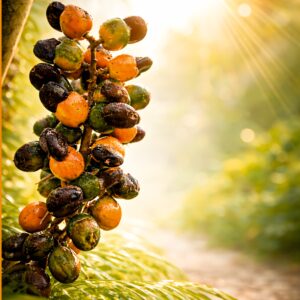
हे माझे पहिलेच पुस्तक.. रानोमाळ फिरून बिबीच्या झाडावरील गोटे बिबे तोडून आणायचे. कामठ्यावर बसून गोटे फोडून त्यातील गोडांबी काढायची. व संसाराचा गाडा हाकायचा. असा परंपरागत व्यवसाय असलेल्या अजिंठा डोंगरकुशीतील आदिवासी कोळी समाजाच्या स्त्री-पुरुषांच्या जीवनातील सुख-दुःखे, मान-अपमान, जीवन संघर्ष, त्यांचे मनोविश्व टिपण्याचा प्रयत्न केला आहे. यात कितपत यश आले, हे वाचकांनी ठरवायचे आहे.
Select at least 2 products
to compare

 Rahasya Peti