
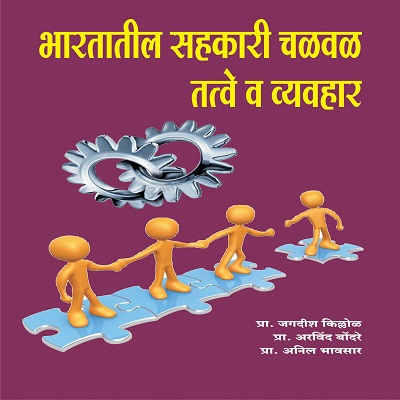
Bhartatil Sahakar Chalval : Tatve v Vyavhar

120.00

Indian co-operative movement, its principles and working on which a book is written to benefit the students of B.com Part I students of Pune university. The book is also useful for the students of yashwantrao Chavan University and also can be used by G.D.C.A. students. The workers in co-operative fields and movements also can be help from this book.

5 in stock

Compare
SKU: Bhartatil Sahakar Chalval : Tatve v Vyavhar Categories: , ,
Description

Description

Indian co-operative movement, its principles and working on which a book is written to benefit the students of B.com Part I students of Pune university. The book is also useful for the students of yashwantrao Chavan University and also can be used by G.D.C.A. students. The workers in co-operative fields and movements also can be help from this book.

Additional information

Additional information

Weight 100 kg
Dimensions 21.5 × 14 cm
More Products

Swasth Sukte Sankshipt

50.00

In the Aayurveda, the Indians had studied and established the health of all members in the society in full extent. In this book are can read and know about 10 Sanskrit shlokas out of 20 in Marathi transfer. The right concept about the health can beg of through this book.

Sahakar Kaydyatil Nave Badal

200.00

The changes in the co-operative laws according to the 97 amendment in the constitutions of India with simplifications of laws is available in this book.

Strategic Innovation For Micro Mechatronics

200.00

Micro-Electro-Mechanical System technology is invading in all the applications such as automobile, medical, consumer products and weapon systems. Design of a sensor based on MEMS technology involves complex large number of steps and many variables. This book gives insight on predictive design technique for sensor design.The book also discusses two innovative techniques for optimizing performance of micro-acceleration sensor. This book will be useful to learners of course on MEMS.

Samarth Sutre

70.00

This book includes the extracts from Samarth Ramdasswami and other Indian literature based on management, Special education, public contact methods etc which are the important and basic concepts of modern management science/ Philosophy. The verses (Shlokas) from the original writers have been coated for references. Read the book and try to follow the guidelines given in the verses (Shlokas)