

Description
The changed Co-operative Rules after change in Co-operative 1920 due to constitutional a amendment are may must required by the Co-operative Societies. This is our efftort to do the needful.

₹250.00
The changed Co-operative Rules after change in Co-operative 1920 due to constitutional a amendment are may must required by the Co-operative Societies. This is our efftort to do the needful.
5 in stock
CompareThe changed Co-operative Rules after change in Co-operative 1920 due to constitutional a amendment are may must required by the Co-operative Societies. This is our efftort to do the needful.
| Weight | 250 kg |
|---|---|
| Dimensions | 21.5 × 14 cm |
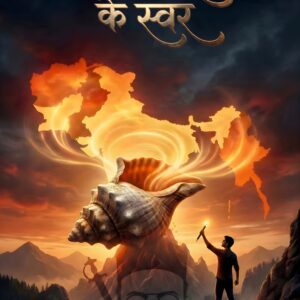
अक्षय पुष्पा प्रभाकर राजूरकर मुख्य रूप से आष्टी, जिला वर्धा (महाराष्ट्र) से जुड़े एक युवा, ओजस्वी और संवेदनशील रचनाकार हैं। उनकी कविताओं का संग्रह उनके प्रखर राष्ट्रवादी विचारों, सामाजिक सरोकारों और एक संघर्षरत युवा के अंतर्मन का सजीव दस्तावेज़ है।
अक्षय की लेखनी में ‘वीर रस’ और ‘देशप्रेम’ की गहरी छाप है। वे छत्रपति शिवाजी महाराज, लोकमान्य तिलक, चंद्रशेखर आज़ाद और वीर सावरकर, डॉ. बाबासाहेब आंबेडकर जैसे राष्ट्रीय नायकों से अत्यंत प्रभावित हैं और अखंड भारत तथा ‘राम राज्य’ की पुनर्स्थापना का स्वप्न देखते हैं।
इतिहास और संस्कृति के प्रति गौरव के साथ-साथ, कवि समसामयिक मुद्दों- जैसे पूर्वोत्तर (मणिपुर) की स्थिति, आतंकवाद, जी-20 सम्मेलन और वर्तमान राजनीति – पर भी अपनी लेखनी के माध्यम से बेबाक और तीखा प्रहार करते हैं।
राष्ट्रवाद और कड़े तेवरों के अलावा, अक्षय के काव्य में एक युवा मन की कोमलता भी बसती है। जीवन की कशमकश, करियर की चिंता, दोस्तों की दुनियादारी, रिश्तों का टूटना और अकेलेपन से लड़कर मंज़िल पाने का जज़्बा उनकी कविताओं को आम युवाओं से जोड़ता है।
संक्षेप में, अक्षय राजूरकर एक ऐसे कवि हैं जिनकी आवाज़ में युवाओं का शंखनाद, मातृभूमि के प्रति अटूट समर्पण और ‘भारत को भव्य’ बनाने का दृढ़ संकल्प गूँजता है।
पूर्व में अभाविप जैसे संगठन में सक्रियता से कार्यरत रहे हैं। गढ़चिरोली और मणिपुर राज्य के अत्यंत दुर्गम क्षेत्रों में प्रत्यक्ष काम का अनुभव किया है। इनका जनजाति और सेवा कार्य से विशेष लगाव है।

This is the 2 act drama book on the social problem written by prominent dramatist. The severe and dangerous problem frightening the young generation given it a social foresight.

The city of Nagpur is at the centre of India the subcontinent. The information about the places for tourism surrounding Nagpur is presented in this book. This is the very first book in this field about Nagpur tourism. It includes 16 maps in colour. The traveler can travel with it without any human guide.

Marvels of nature always beckon us Earthquake, Volcano, are some of these disastrous/events of them. Such a event of nature are mysterious and some are amazing water falls, lakes, springs of hot water are the marvels which delight us. In all 25 such marvels with the scientific rationale behind them has been described by the writer in daily simple language. Professor Sudhir Sahasrabuddhe has written the book in such a manner that all age groups can enjoy and get enlightened by this book.
An aged mother go, Durgatai Phatak from wardha, about her daughter had made compilation the title whose writing page is drawn by the grand daughter. The book includes the picture writings in Marathi, Hindi prose, poems of small dramas guiding articles and stories written in the ninety years lifespan wherein we get the information about life style of the woman in last century.

The financial institution in the co-operative field viz urban co-operative banks, urban and other credit societies are controlled by co-operative commissions. Their business works according to the circulars of the commissioner. This the collection of such circulars of last five years. it is very difficult to search in for particular circular. Taking this difficulty into consideration this book on collection is published. This is a very basic need, so the book serves the most important aspect in management and banking section to simplify the purpose writer Anil Sambre


Due to amendments made in constitutional many changes in the rules of election in co-operative institutions and their references get changed. These change rules in Marathi and the original English rules both can be made known through this book. The book is useful to all co-operative institutions.

The related policies and decisions about the personnel (individual) from his/her appointment, to retirement are discussed in this book viz personnel setup, the responsibilty and accountability of the employee at each level, recrutment methods, promotion system, transfer rules of casual and other leaves, disciplinary laws, secret reporting, financial benifits, laws to be followed, workers organizaiton, contribution of the employees in management etc., are discussed in detail.


Like the urban banks law the credit societies establish policies written form on subjects. It has become compulsory and necessary also the coming days the need about the knowledge about it is increasing. The ready made policy writer Avinash shaligram has written the book for credit societies also, take these policies and use them for your institution is the motto of the book

Select at least 2 products
to compare


 Vaidarbhiya Granthasampada 06
  Sathavniche Padartha
  Pradushanatun Paryavarnakade