Additional information
| Weight | 300 kg |
|---|---|
| Dimensions | 21.5 × 14 cm |

| Weight | 300 kg |
|---|---|
| Dimensions | 21.5 × 14 cm |

The C.E.O. in the urban banks, credit society any other institution is an important person like the vizier in the government system. In order to be successful as C.E.O. as a chief executive officer is a difficult exercise what is his primary and important responsibility what strategies he should follow, now where and where what are the jurisdictions of his powers? All such generation answering book is made available in Marathi. The book is beneficial for the C.E.O. of today and tomorrow.

The highest military award Paramveer is a matter of pride. In this book we get full information about the various winning Paramveer award in Marathi
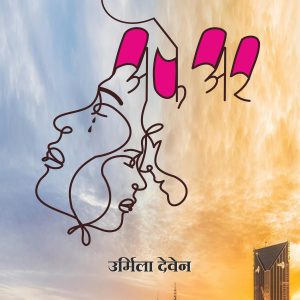
प्रेमभावना ही जीवनाची संजीवनी आहे. सहजपणे एकमेकांत मिसळून-समरसून जगण्याचा भावमूलक अध्याय आहे. म्हणूनच प्रेमाच्या वेदनेकडेसुद्धा सौंदर्यवादाच्या भूमिकेतून पाहिले जाते. परंतु प्रेमाच्या आणा-भाका घेतल्यावरही लग्नासारख्या पवित्र बंधनातून बाहेर पडून लग्नबाह्य संबंध ठेवणे, त्याला प्रेमाचे गोंडस नाव देऊन त्याच्या अस्तित्वासाठी वाट्टेल तसे वागणे, वासना व भावना यातील अंतर न कळणे आणि केलेल्या चुका पुन्हा दुरुस्त करण्याच्या आविर्भावातून नात्याची वीण घट्ट करण्याची उठाठेव करणे; असे कित्येकदा समाजजीवनात अनुभवायला मिळते. हेच वास्तवभान उर्मिला देवेन यांनी ‘द गेम ऑफ अफेअर’ या कादंबरीत मार्मिकपणे मांडले आहे.

The author of this book Dr Madhu Vyas is a senior Obstetrician and Gynaecologist practicing from the last 35 years at her own Indra Maternity and Surgical Nursing Home at Mira road, Mumbai. This book,,, LIFE BEGETS LIFE,, is a simple book written specially for pregnant mothers. Childbirth is nature’s amazing phenomenon of how one living being gives birth to another living being… and it’s not a disease to be treated. Travel safe but do travel with a smile.

The essence of Vedanta conceived in the Upanishadas are the expressions of the purest and heighted thoughts of the ancient rishis. Through them the cosmic viewpoint of the thinkers is revealed. The hidden meaning of them has been expressed in simple words of flowing language in Marathi by shri B. R. Modak. One of them is Aarunyopanishad.


Select at least 2 products
to compare