

Additional information
| Weight | 140 kg |
|---|---|
| Dimensions | 21.5 × 14 cm |

| Weight | 140 kg |
|---|---|
| Dimensions | 21.5 × 14 cm |
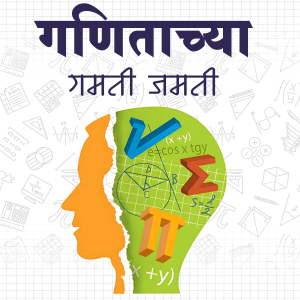
सर्वसाधारण माणसाच्या आणि विद्यार्थ्यांच्या मनात गणित विषयाबद्दलची एक प्रकारची भिती असते. विज्ञान एक वेळ चालेल परंतु गणित नको 95% व्यक्ती गणितापासून दूर जातात. गणित हा मनोरंजनाचा विषय आहे. हीच संकल्पना लोकांना पटत नाही परंतु गणिताच्या गमती जमती या पुस्तकातून वाचकांचे मनोरंजन करेल, त्यांची गणिताची भिती जाईल आणि त्यांना गणिताची आवड निर्माण करण्याची जादू या पुस्तकाच्या मुळाशी आहे. या पुस्तकातील गणितांना गणिताचे नाव न देता, त्यांना व्यवहारातील नावे दिली आहेत. जेणेकरून भावनिक जवळीक निर्माण व्हावी, ते आपलेसे वाटावे यासाठी. जसे की मित्र, एका नजरेत घायाळ, डोंबारी, नटरंग, कोळ्याचे जाळे, माझा लकी नंबर, रावण, हरिहरेश्वर, सुंदरता इत्यादी. तसेच मोठी गणितं डोळ्यांनी सोडवता येतील व त्याचा आनंद घेता येईल व गणिताची गोडी उत्पन्न होण्यास नक्कीच मदत होईल.
सर्व शास्त्रांचे मूळ गणित आहे. जगाला मोठी देणगी भारतीय गणिताने दिली ती म्हणजे शून्याचा शोध. गणित भारतात जन्मले व प्राचीन भारतातील गणित तज्ञांनी ते वाढवले व सर्व जगात पसरवले. हा इतिहास प्रत्येक भारतीयांपर्यत पोहोचवण्याचे कार्य झाले पाहिजे हीच खरी अपेक्षा बाळगतो.

Vidur is a balanced and pious Character in the epic of Mahabharat. He was honoured as the only gentleman in the wicked kawarvas by Lord Krishna who stayed at his home while playing deplomatic tactics in Udyogparva (a chapter of Mahabharat) Krishna had gone there to avoid was as a messenger of Pandwas to avoid the war. The 33-40 chapters of the (udyogaparva) are about the advice, Vidura gave to Dhrutarashtra the father of Kaurawas for maintainance of peace, law and order in the society. This Mahabharatian advice is valuable because it includes all pervading cosmic order to be followed by all governmental heads all times. Vidur neeti is a precious peace of Indian political thought translated in Marathi.

URBAN banks and credit societies have many branches. Which represent as if a battle field. The managers, workers (Personnel) and their working skill is a weapon which decides the result of the war battle. The efficiency of them provide success to the institute. The responsibility of the branches through branch manager and other workers, their co-operative communication with the main branch and all about such related matters are gets guidelines through this precious book. This is new and revised editions of the old book.

The whole world is facing a severe pollutions danger today. There is pollution of ground water, pollution of soil, pollution due to atomic project pollution due to chemical and thermal project all over the world. Due to all these factors the temperature of the earth and atmosphere around the earth is becoming hot day by day. It has a great effect on the rains and the system of raining and seasons on the earth thereby. In order to avoid this danger or to lesson its effect, the writer has given information about the manmade causes of pollution and also the ways out. Writer Kishor Pawar

P.T. Usha is one of the best runner player of India the book is a living data of the physical and mental hard and passionate efforts, She made to get the derived success.
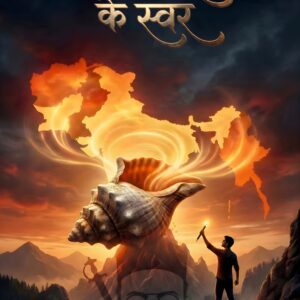
अक्षय पुष्पा प्रभाकर राजूरकर मुख्य रूप से आष्टी, जिला वर्धा (महाराष्ट्र) से जुड़े एक युवा, ओजस्वी और संवेदनशील रचनाकार हैं। उनकी कविताओं का संग्रह उनके प्रखर राष्ट्रवादी विचारों, सामाजिक सरोकारों और एक संघर्षरत युवा के अंतर्मन का सजीव दस्तावेज़ है।
अक्षय की लेखनी में ‘वीर रस’ और ‘देशप्रेम’ की गहरी छाप है। वे छत्रपति शिवाजी महाराज, लोकमान्य तिलक, चंद्रशेखर आज़ाद और वीर सावरकर, डॉ. बाबासाहेब आंबेडकर जैसे राष्ट्रीय नायकों से अत्यंत प्रभावित हैं और अखंड भारत तथा ‘राम राज्य’ की पुनर्स्थापना का स्वप्न देखते हैं।
इतिहास और संस्कृति के प्रति गौरव के साथ-साथ, कवि समसामयिक मुद्दों- जैसे पूर्वोत्तर (मणिपुर) की स्थिति, आतंकवाद, जी-20 सम्मेलन और वर्तमान राजनीति – पर भी अपनी लेखनी के माध्यम से बेबाक और तीखा प्रहार करते हैं।
राष्ट्रवाद और कड़े तेवरों के अलावा, अक्षय के काव्य में एक युवा मन की कोमलता भी बसती है। जीवन की कशमकश, करियर की चिंता, दोस्तों की दुनियादारी, रिश्तों का टूटना और अकेलेपन से लड़कर मंज़िल पाने का जज़्बा उनकी कविताओं को आम युवाओं से जोड़ता है।
संक्षेप में, अक्षय राजूरकर एक ऐसे कवि हैं जिनकी आवाज़ में युवाओं का शंखनाद, मातृभूमि के प्रति अटूट समर्पण और ‘भारत को भव्य’ बनाने का दृढ़ संकल्प गूँजता है।
पूर्व में अभाविप जैसे संगठन में सक्रियता से कार्यरत रहे हैं। गढ़चिरोली और मणिपुर राज्य के अत्यंत दुर्गम क्षेत्रों में प्रत्यक्ष काम का अनुभव किया है। इनका जनजाति और सेवा कार्य से विशेष लगाव है।

A book of poems equal to the poets and writers of Vidarbha like Vamanrao Chorghade, Purushottam Darwhekar, Ram Shewalkar, from Nagpur, Madhukar Keche and Suresh Bhat is written by a duel a mother and her daughter ie. sau Uma Kannadkar and Dr. Sau Manasi Kavimandan, It indudes 84 poems out 95 which 69 are in Marathi and 15 in English. There are 23 poems from the mother and others are of her daughter. The poem ‘Baba’ is praiseworthy Sau. Uma Kannadkar, Dr. Sau. Manasi Kavimandan,

This is the collection of poems as a poet fighting for social order and against corruption, inequality, unhappiness, social distress and hypocrisy. The man is his poems a fighting against all the upper said odds and dreams to get rightful effects in the form of social justice.


Select at least 2 products
to compare


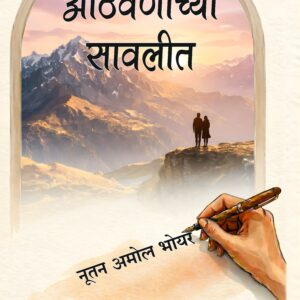 Athvanichya Savlit