Additional information
| Weight | 200 kg |
|---|---|
| Dimensions | 21.5 × 14 cm |

| Weight | 200 kg |
|---|---|
| Dimensions | 21.5 × 14 cm |


The elders dont read the book and remain unadvised by ignoring the ill this book. The book though is suppossed to be read by children, it is very very important for people of all age groups. The original sanskrit epigrams and their meaning, inner meaning is revealed in simple language in the book.

The holy pilgrim place Pandharpur is a seat of valuable centre of religions faith in Maharashtra. This book is useful of the guideline before visiting God Vitthal at Pandharpur.

The grate scientist of this from India, Dr. Homi Bhabha, who established many scientific institutions during his life and many promising scientist have gained inspiration from him, When he was alive and even after death. He has remained a source of inspiration. This book is a homage with all possible information about his life and his devotion to science. It includes various pictures related to his dicoveries and inventions.

India is the most ancient and cultured country in the would. The culture of India, which was most prosperious in ancient times, not only in Indian territory but all over the world in all continents. The proofs of it are becoming available to the learned. The book is a studious collection of articles on the subject, the reading of which makes one proud about our past.
Since our Bahujan icons inspire us in each and every struggle of our life, we must celebrate and propagate their work. This book is a step towards that direction. The work of Barrister Saheb is very inspiring. In the socio-political arena of independent India, we rarely come across a leader who is so dedicated to his cause as Barrister Saheb was. He carried forward Babasaheb’s legacy of simultaneous engagement with parliamentary politics and ground politics. Limiting him only to the identity of a Republican leader would be an injustice to his versatile personality. He was a parliamentarian, a barrister, a journalist, a diplomat of India’s foreign policy, a champion of the rights of the marginalized and women, a mass leader, and a staunch ideologue of Ambedkarite thought. One can feel thrilled and overwhelmed to find these many aspects within only one personality. Without an unwavering resolution to devote one’s life to the cause of the downtrodden, one cannot do such a mountain of work. This book is tribute to Barrister Saheb and his humongous work on his birth centenary year and 40th death anniversary year.
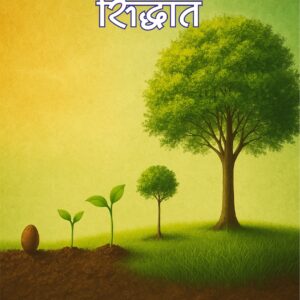
डॉ. सुनीलदत्त गवरे यांचे “कारणकार्याविषयीचे” हे लेखन अनेक कारणांनी महत्त्वपूर्ण आणि स्तुत्य ठरते. निवडलेला विषय तत्त्वज्ञानाच्या अभ्यासात मूलभूत असून, मराठीत त्यावर सविस्तर विवेचन क्वचितच आढळते. या ग्रंथात पाश्चात्य आणि पौर्वात्य तत्त्वज्ञानातील कारणसंकल्पना सखोल, साधार व अभ्यासपूर्ण पद्धतीने स्पष्ट केली आहे.

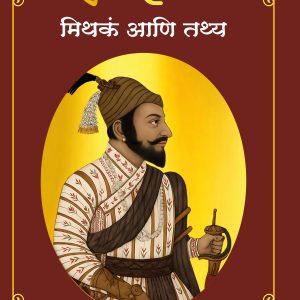
“इतिहासात काही जागा कायमच्या रीक्त असतात. तिथं असे काही बिंदू उपलब्ध असतात, ज्यांच्या पुढं आणि मागं बऱ्याच घटना लिखित स्वरूपात उपलब्ध असतात. पण नेमकं मोक्याच्या ठिकाणी शून्य असतं. तिथं इतिहास मौन पाळतो. त्या गाळलेल्या जागी असंच घडलं असावं, असं छातीठोकपणे सांगता येत नाही. अशा रीक्त जागा इतिहासकारांना कुणावरही अन्याय न करता साकल्यानं भरून काढता येतात. जसं की, तुम्ही एखाद्या मध्ययुगीन किल्ल्यावर गेलात, तर मध्येच अशा काही अंधारवाटा लागतात. तशा अंधारवाटा आपण गतायुष्यातील अनुभव आणि सहज तर्क लावून पार करतो. इतिहासाच्या क्षेत्रात सुद्धा विवेकाची किनार धरून अशा अंधारवाटा पार करता येतात. ते फार कठीण काम नाही. एखाद्या विशिष्ट प्रसंगी इतिहास बोलत नसेल तर त्याला वेगळ्या पद्धतीनं बोलतं करता येतं.”
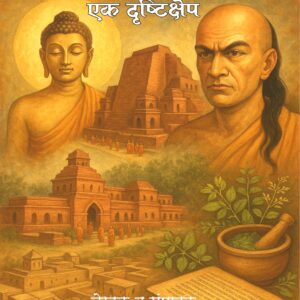
“भारतीय ज्ञान परंपरा: एक दृष्टिक्षेप” हे पुस्तक भारतभूमीच्या अखंड आणि समृद्ध बौद्धिक वारशाचा परिचय करून देणारे आहे. भारताचा इतिहास हा केवळ साम्राज्यांचे उदय-अस्त आणि युद्धांचे जय-पराजय यापुरता मर्यादित नसून, तो ज्ञान, तत्त्वज्ञान, विज्ञान, कला आणि संस्कृतीचा अखंड प्रवाह आहे. या ग्रंथातून वाचकाला वेद, उपनिषदे, पुराणकथा, प्राचीन तत्त्वज्ञान, गणित, खगोलशास्त्र, रसायनशास्त्र, धातुविज्ञान, कला, वास्तुकला तसेच तक्षशिला-नालंदा यांसारख्या विद्यापीठांची ओळख होईल.

Select at least 2 products
to compare