Additional information
| Weight | 300 kg |
|---|---|
| Dimensions | 21.5 × 14 cm |

| Weight | 300 kg |
|---|---|
| Dimensions | 21.5 × 14 cm |

In our Kitchen, there are many such things available, which are useful as medicines, Vaidya Shri. R. M. Pujari has given fall information about the household materials and then medical importance, with the hints useful to every housewife.
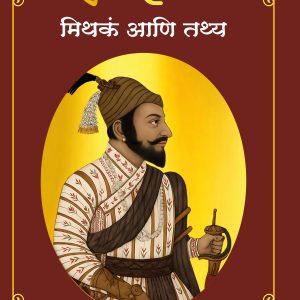
“इतिहासात काही जागा कायमच्या रीक्त असतात. तिथं असे काही बिंदू उपलब्ध असतात, ज्यांच्या पुढं आणि मागं बऱ्याच घटना लिखित स्वरूपात उपलब्ध असतात. पण नेमकं मोक्याच्या ठिकाणी शून्य असतं. तिथं इतिहास मौन पाळतो. त्या गाळलेल्या जागी असंच घडलं असावं, असं छातीठोकपणे सांगता येत नाही. अशा रीक्त जागा इतिहासकारांना कुणावरही अन्याय न करता साकल्यानं भरून काढता येतात. जसं की, तुम्ही एखाद्या मध्ययुगीन किल्ल्यावर गेलात, तर मध्येच अशा काही अंधारवाटा लागतात. तशा अंधारवाटा आपण गतायुष्यातील अनुभव आणि सहज तर्क लावून पार करतो. इतिहासाच्या क्षेत्रात सुद्धा विवेकाची किनार धरून अशा अंधारवाटा पार करता येतात. ते फार कठीण काम नाही. एखाद्या विशिष्ट प्रसंगी इतिहास बोलत नसेल तर त्याला वेगळ्या पद्धतीनं बोलतं करता येतं.”

This is the 2nd book in the series on saints, In it we can get acquainted with the gents like Guru Nanak, Kabir, Gorakhanath, Basweshwar, Chakradhan with thin proper contribution to the society. The modern generation needs to know about them
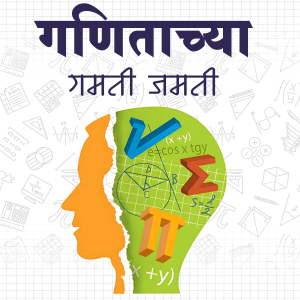
सर्वसाधारण माणसाच्या आणि विद्यार्थ्यांच्या मनात गणित विषयाबद्दलची एक प्रकारची भिती असते. विज्ञान एक वेळ चालेल परंतु गणित नको 95% व्यक्ती गणितापासून दूर जातात. गणित हा मनोरंजनाचा विषय आहे. हीच संकल्पना लोकांना पटत नाही परंतु गणिताच्या गमती जमती या पुस्तकातून वाचकांचे मनोरंजन करेल, त्यांची गणिताची भिती जाईल आणि त्यांना गणिताची आवड निर्माण करण्याची जादू या पुस्तकाच्या मुळाशी आहे. या पुस्तकातील गणितांना गणिताचे नाव न देता, त्यांना व्यवहारातील नावे दिली आहेत. जेणेकरून भावनिक जवळीक निर्माण व्हावी, ते आपलेसे वाटावे यासाठी. जसे की मित्र, एका नजरेत घायाळ, डोंबारी, नटरंग, कोळ्याचे जाळे, माझा लकी नंबर, रावण, हरिहरेश्वर, सुंदरता इत्यादी. तसेच मोठी गणितं डोळ्यांनी सोडवता येतील व त्याचा आनंद घेता येईल व गणिताची गोडी उत्पन्न होण्यास नक्कीच मदत होईल.
सर्व शास्त्रांचे मूळ गणित आहे. जगाला मोठी देणगी भारतीय गणिताने दिली ती म्हणजे शून्याचा शोध. गणित भारतात जन्मले व प्राचीन भारतातील गणित तज्ञांनी ते वाढवले व सर्व जगात पसरवले. हा इतिहास प्रत्येक भारतीयांपर्यत पोहोचवण्याचे कार्य झाले पाहिजे हीच खरी अपेक्षा बाळगतो.


The year 2013 was an international year for statistics. The Contribution of the Indian statistics and it usage is made is made publically known in this book. The is major statistics proficient are presented in it with their international contribution by the writer.

The contribution of the women in the field of science is available in this book in Marathi for the first time. There are 31 women scientists inall whose life and endeavour in the scientific field is discussed by Shri. Prakash Manikpure.
Gondawale is a place, where a yogi disciple gondawalekar Maharaj lived and has made the place consecrated. The full devotional attitude of the writer has guided the reader about the way how to devote himself to this shrine.

Gadge Baba was not an organizer of propagator of the religion or a saint. He was social worker who moved in the society and taught people about social uplift and the methods to be observed for it. He taught the people the fundamental and basic links of life and worked as an angel. He was moving educational institute, who worked alone, and made people to follow him for the cause of society. The book tells about the experiments made him and the odds faced by him. The information in the book would benefit social workers in particular.

Our country has given birth to many highly spirited saints. These are male, as well as women saints. In this book women saints such as Janabai, Muktai, Kanhopatra, Meerabai and Bahinabai, the prominent saints have been included, The life, life style and the advice of them is given hee. in this book.

This is a book written to answer the pervert comments made by James Lane in his book. Who with prejudiced mind has made comments on Shivaji. How these comments are biased and are distorted has been established with the presentation of the historical facts by the writer. All of us, who have earnest concern for the real history and also about Shivaji must read this book. A powerful refutation by the writer appeals to the reader and disproves the pervert views. Dr. Pramod Pathak

Select at least 2 products
to compare