Hindu Pariwar Manhun Amhi Jagto Ka?

80.00

The Hindu family pattern has survived through many disasters and calamities of foreign rules and supressions. In order to Strengthen the roots of Hindu values of life and keep alive its traditions this book is written. The basic powers of Hindu family system, its use to role and its assets are made known to the coming generation in this books It’s writer is a well-known social worker called Krishnappaji, who travelled through whole India for awakening people for about the importance of family pattern through discourses. The book was explained his pant of view in simple manner.

5 in stock

Compare
SKU: Hindu Pariwar Manhun Amhi Jagto Ka? Categories: , ,
Description

Description

The Hindu family pattern has survived through many disasters and calamities of foreign rules and supressions. In order to Strengthen the roots of Hindu values of life and keep alive its traditions this book is written. The basic powers of Hindu family system, its use to role and its assets are made known to the coming generation in this books It’s writer is a well-known social worker called Krishnappaji, who travelled through whole India for awakening people for about the importance of family pattern through discourses. The book was explained his pant of view in simple manner.

Additional information

Additional information

Weight 100 kg
Dimensions 21.5 × 14 cm
More Products

Mahabhartatil Vidurniti

60.00

Vidur is a balanced and pious Character in the epic of Mahabharat. He was honoured as the only gentleman in the wicked kawarvas by Lord Krishna who stayed at his home while playing deplomatic tactics in Udyogparva (a chapter of Mahabharat) Krishna had gone there to avoid was as a messenger of Pandwas to avoid the war. The 33-40 chapters of the (udyogaparva) are about the advice, Vidura gave to Dhrutarashtra the father of Kaurawas for maintainance of peace, law and order in the society. This Mahabharatian advice is valuable because it includes all pervading cosmic order to be followed by all governmental heads all times. Vidur neeti is a precious peace of Indian political thought translated in Marathi.

Mahila Vaidnyanik

125.00

The contribution of the women in the field of science is available in this book in Marathi for the first time. There are 31 women scientists inall whose life and endeavour in the scientific field is discussed by Shri. Prakash Manikpure.

Kanik Neeti

30.00

This book in Hindi is about Maharshi Kanik who was India’s grate political advisor. Political, commercial, industrial management guideline from Indian point a view are found in it, while studying about for thinking one can know precious vision of Indians simultaneously.

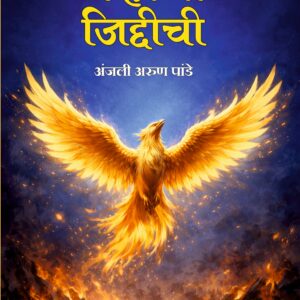
Kahani Jiddichi

300.00

कहाणी जिद्दीची ही कादंबरी एका सालस तरुणीची कथा आहे. केवळ मुलगा चांगला आहे म्हणून आई वडिलांच्या आग्रह खातर ती विवाहाला तयार होते. शिक्षण पुढे सुरु ठेवता येईल हीच त्यातली जमेची बाजू. तसं ती विवाहानंतर हवं त्या क्षेत्रातील, आणि हवं तेव्हढं शिक्षण घेते देखील. पण नवऱ्याच्या लहरी स्वभावाने तिला काय काय भोगाव लागतं… जेव्हा तिच्या सहनशीलतेचा अंत होतो आणि तिच्या जीवावर बेततं तेव्हा मात्र घर सोडून बाहेर पडण्याशिवाय पर्याय नसतो. सगळं संपलेलं असताना फिनिक्स पक्षाप्रमाणे ती पुन्हा राखेतून उभी राहते. एकल पालकत्व निभावत पुढे जात राहते.उच्च विद्या विभूषित असलेल्या स्त्रीने प्रत्यक्षात अनुभवलेलं हे सारं … म्हणून तिच्या या जिद्दीची ही कहाणी .

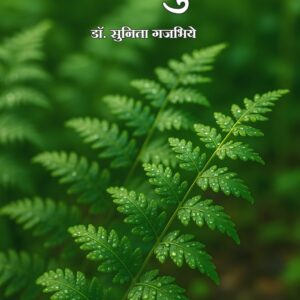
Kavya Suman

200.00
नाव : डॉ. सुनिता गजभिये
शिक्षण : एम.बी.बी.एस., एम.डी. सूक्ष्मजीवशास्र   (Microbillogy)
व्यवसाय : प्राध्यापिका, सूक्ष्मजीवशास्त्र विभाग
शासकीय वैद्यकीय महाविद्यालय, नागपूर
आवड : मराठी, हिंदी आणि इंग्रजी भाषेत
अनेक कविता लिहिल्या आहेत

Indira te Mamata

250.00

The book tells about the female political leaders of India from the point of view of the newspaper reporter, the women who adorned the post of chief Minister and the above posts or the party leadership like Indira Gandhi, Mamata, Jaylalita, Sushama Swaraj, Mayawati etc. are the subject of this book. The personality of these women, their qualities of leadership, their rhights and endurance for the bright future, all is made known here (in this book) interestingly by Savita Deo Harkare