

Additional information
| Weight | 150 kg |
|---|

| Weight | 150 kg |
|---|

The soldiers don?t expect anything from the Society, they just desire that their government and countrymen should be aware about their dutiful sacrifice and honour their death during the war. After the stinging defeat in war between India and china in 1962, the war with Pakistan was won by our brave soldiers, some of whom sacrificed their lives with smiling and dignified ways at the altar of Bharat Mata. The war fought in 1965, in which C I M H Abdul Hamid or lieutenant Colonel Ardeshir Tarapor, a winner of the Paramveer chakra were the dauntless fighters. How many of us know about them and their glorious and frightful fight. The new generation ought to know about them. Time has come to make them know about and enlighten them about the balanced war fought by Indians after the independence. Keeping this in mind 1965 war and its account has been given in this book, so that all Indians would become aware about the sacrifice and the peaceful life we are enjoying at the stake of their brave death.

In this book the amphibian animals frog and some other animals of the phylum have been described with pictures along with their habitual and lifestyle.

It has become extremely necessary to convince the new generation about the significance of the animal cow, which was worshiped as a godly animal in ancient period. The book on Kamadhenu gives well examined, scientifically judged information about the animal its importance in the modern life is also focused. The book edited by Vijay Yangalwar has been authorised by Shri. Rambhaoo Pujari prominant learned personality.

In our Kitchen, there are many such things available, which are useful as medicines, Vaidya Shri. R. M. Pujari has given fall information about the household materials and then medical importance, with the hints useful to every housewife.
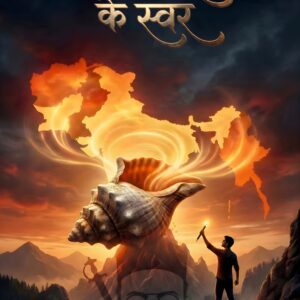
अक्षय पुष्पा प्रभाकर राजूरकर मुख्य रूप से आष्टी, जिला वर्धा (महाराष्ट्र) से जुड़े एक युवा, ओजस्वी और संवेदनशील रचनाकार हैं। उनकी कविताओं का संग्रह उनके प्रखर राष्ट्रवादी विचारों, सामाजिक सरोकारों और एक संघर्षरत युवा के अंतर्मन का सजीव दस्तावेज़ है।
अक्षय की लेखनी में ‘वीर रस’ और ‘देशप्रेम’ की गहरी छाप है। वे छत्रपति शिवाजी महाराज, लोकमान्य तिलक, चंद्रशेखर आज़ाद और वीर सावरकर, डॉ. बाबासाहेब आंबेडकर जैसे राष्ट्रीय नायकों से अत्यंत प्रभावित हैं और अखंड भारत तथा ‘राम राज्य’ की पुनर्स्थापना का स्वप्न देखते हैं।
इतिहास और संस्कृति के प्रति गौरव के साथ-साथ, कवि समसामयिक मुद्दों- जैसे पूर्वोत्तर (मणिपुर) की स्थिति, आतंकवाद, जी-20 सम्मेलन और वर्तमान राजनीति – पर भी अपनी लेखनी के माध्यम से बेबाक और तीखा प्रहार करते हैं।
राष्ट्रवाद और कड़े तेवरों के अलावा, अक्षय के काव्य में एक युवा मन की कोमलता भी बसती है। जीवन की कशमकश, करियर की चिंता, दोस्तों की दुनियादारी, रिश्तों का टूटना और अकेलेपन से लड़कर मंज़िल पाने का जज़्बा उनकी कविताओं को आम युवाओं से जोड़ता है।
संक्षेप में, अक्षय राजूरकर एक ऐसे कवि हैं जिनकी आवाज़ में युवाओं का शंखनाद, मातृभूमि के प्रति अटूट समर्पण और ‘भारत को भव्य’ बनाने का दृढ़ संकल्प गूँजता है।
पूर्व में अभाविप जैसे संगठन में सक्रियता से कार्यरत रहे हैं। गढ़चिरोली और मणिपुर राज्य के अत्यंत दुर्गम क्षेत्रों में प्रत्यक्ष काम का अनुभव किया है। इनका जनजाति और सेवा कार्य से विशेष लगाव है।

In this book seven important poets in Marathi with their characteristic style has been made available. The poet are freedom fighter savarkar, Anil, Fock poet Manmohan, Balkavi etc. are included. One can get ample information in this tiny book.

This is the collection of poems as a poet fighting for social order and against corruption, inequality, unhappiness, social distress and hypocrisy. The man is his poems a fighting against all the upper said odds and dreams to get rightful effects in the form of social justice.
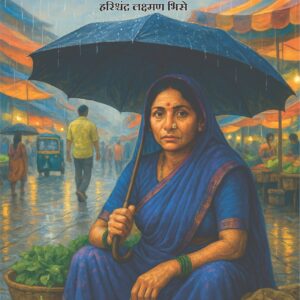
“‘भाग्यरेषा’ काव्यसंग्रहाची खास वैशिष्ट्ये
निसर्गाचा आल्हाद आणि बदलते रूप
सामाजिक जीवनातील खदखद व वास्तव
आध्यात्मिक उंची आणि अंधश्रद्धेवर प्रहार
स्त्रीचे रूप, व्यथा आणि सामर्थ्य
भ्रष्टाचार, राजकारण, शेतकरी व समाजातील समस्या
भावनांची विविधता – कोमल भावस्पर्शी कविता, तितक्याच प्रभावी सामाजिक आणि विचारप्रवर्तक कविता.
अद्वितीय शब्दफेक आणि लयबद्धता – प्रत्येक कवितेतून उमलणारा नवा भावार्थ.
‘भाग्यरेषा’ : जीवनाचे सार शब्दबद्ध करणारा काव्यसंग्रह”


Select at least 2 products
to compare


 Yashasathi Kalpakta
  Pratyaksha Karjavasuli