

Additional information
| Weight | 150 kg |
|---|---|
| Dimensions | 21.5 × 14 cm |

| Weight | 150 kg |
|---|---|
| Dimensions | 21.5 × 14 cm |

There are many animals that have extincted and many are due to extinct because of the greed of man. Man has used the flesh, bones, skull, horms nails and other parts of the animals for food, medicines and also for fashionable goods. In effect many animals on the earth are no more. The whole species has extincted and only fossils or pictures of them are avialabe. The writer G.B. Sardesai has given information about many such animals which had been allve on the earth but are not found at any part of the world today. Some other animals are also on the way of being extincted and so deliberate efforts to help them to live is an urgent need.

The most ancient, courteous, cultured and advanced religion in the world is Hindu religion. Unfortunately due to social, political changes, there developed deep misunderstand and ignorance about it. Many questions were raised on different aspects of it, at different times by many people. Here the efforts are made to answer them. What does our Hindu religion and its theology says about the questions to be faced in particular condition and in particular time? We have curiosity about it but the answers are not available instantly. For such people this book provides the guidelines.
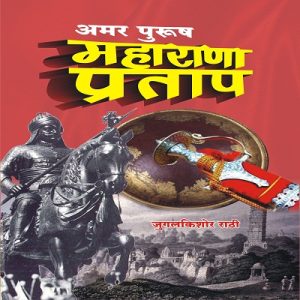

In this book the amphibian animals frog and some other animals of the phylum have been described with pictures along with their habitual and lifestyle.

There is ample literature writer by larned and great thinkers in India. In this book, we get a complied account about it.


In this book seven important poets in Marathi with their characteristic style has been made available. The poet are freedom fighter savarkar, Anil, Fock poet Manmohan, Balkavi etc. are included. One can get ample information in this tiny book.
A book of poems equal to the poets and writers of Vidarbha like Vamanrao Chorghade, Purushottam Darwhekar, Ram Shewalkar, from Nagpur, Madhukar Keche and Suresh Bhat is written by a duel a mother and her daughter ie. sau Uma Kannadkar and Dr. Sau Manasi Kavimandan, It indudes 84 poems out 95 which 69 are in Marathi and 15 in English. There are 23 poems from the mother and others are of her daughter. The poem ‘Baba’ is praiseworthy Sau. Uma Kannadkar, Dr. Sau. Manasi Kavimandan,
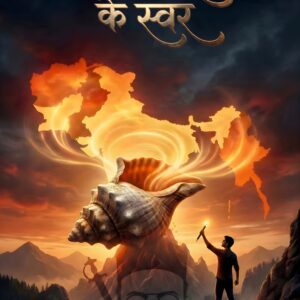
अक्षय पुष्पा प्रभाकर राजूरकर मुख्य रूप से आष्टी, जिला वर्धा (महाराष्ट्र) से जुड़े एक युवा, ओजस्वी और संवेदनशील रचनाकार हैं। उनकी कविताओं का संग्रह उनके प्रखर राष्ट्रवादी विचारों, सामाजिक सरोकारों और एक संघर्षरत युवा के अंतर्मन का सजीव दस्तावेज़ है।
अक्षय की लेखनी में ‘वीर रस’ और ‘देशप्रेम’ की गहरी छाप है। वे छत्रपति शिवाजी महाराज, लोकमान्य तिलक, चंद्रशेखर आज़ाद और वीर सावरकर, डॉ. बाबासाहेब आंबेडकर जैसे राष्ट्रीय नायकों से अत्यंत प्रभावित हैं और अखंड भारत तथा ‘राम राज्य’ की पुनर्स्थापना का स्वप्न देखते हैं।
इतिहास और संस्कृति के प्रति गौरव के साथ-साथ, कवि समसामयिक मुद्दों- जैसे पूर्वोत्तर (मणिपुर) की स्थिति, आतंकवाद, जी-20 सम्मेलन और वर्तमान राजनीति – पर भी अपनी लेखनी के माध्यम से बेबाक और तीखा प्रहार करते हैं।
राष्ट्रवाद और कड़े तेवरों के अलावा, अक्षय के काव्य में एक युवा मन की कोमलता भी बसती है। जीवन की कशमकश, करियर की चिंता, दोस्तों की दुनियादारी, रिश्तों का टूटना और अकेलेपन से लड़कर मंज़िल पाने का जज़्बा उनकी कविताओं को आम युवाओं से जोड़ता है।
संक्षेप में, अक्षय राजूरकर एक ऐसे कवि हैं जिनकी आवाज़ में युवाओं का शंखनाद, मातृभूमि के प्रति अटूट समर्पण और ‘भारत को भव्य’ बनाने का दृढ़ संकल्प गूँजता है।
पूर्व में अभाविप जैसे संगठन में सक्रियता से कार्यरत रहे हैं। गढ़चिरोली और मणिपुर राज्य के अत्यंत दुर्गम क्षेत्रों में प्रत्यक्ष काम का अनुभव किया है। इनका जनजाति और सेवा कार्य से विशेष लगाव है।
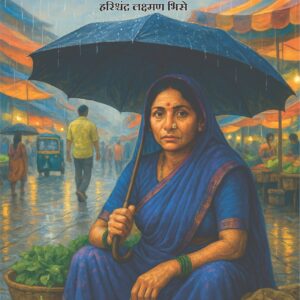
“‘भाग्यरेषा’ काव्यसंग्रहाची खास वैशिष्ट्ये
निसर्गाचा आल्हाद आणि बदलते रूप
सामाजिक जीवनातील खदखद व वास्तव
आध्यात्मिक उंची आणि अंधश्रद्धेवर प्रहार
स्त्रीचे रूप, व्यथा आणि सामर्थ्य
भ्रष्टाचार, राजकारण, शेतकरी व समाजातील समस्या
भावनांची विविधता – कोमल भावस्पर्शी कविता, तितक्याच प्रभावी सामाजिक आणि विचारप्रवर्तक कविता.
अद्वितीय शब्दफेक आणि लयबद्धता – प्रत्येक कवितेतून उमलणारा नवा भावार्थ.
‘भाग्यरेषा’ : जीवनाचे सार शब्दबद्ध करणारा काव्यसंग्रह”

Select at least 2 products
to compare


 Sastan Prani