

Additional information
| Weight | 30 kg |
|---|---|
| Dimensions | 21.5 × 14 cm |

| Weight | 30 kg |
|---|---|
| Dimensions | 21.5 × 14 cm |


Omens through the dreams are always treated as the product of unconscious or sub-conscious mind. But they present some hints too through them. One must try to understand them in reference to past and coming future. The dreams of self and that of others can become a guiding line for the successfully life for today and future
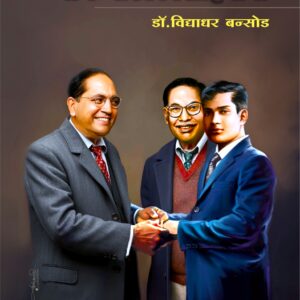
‘गोष्ट बॅरिस्टरसाहेबांची’ या पुस्तकातील व्यक्तींच्या गोष्टी आपणास नक्की प्रेरणा देतील. कदाचित आपल्या आयुष्याला नवीन वळण देतील. बॅरिस्टरसाहेब म्हणजे कोण? डॉ. बाबासाहेब आंबेडकरांच्या स्वप्नांचा रथ पुढे नेणाऱ्या त्यागी माणसाचं नाव आहे राजाभाऊ. राजाभाऊ म्हणजे त्याग. राजाभाऊ म्हणजे आंबेडकरी चळवळीचा वाघ. ज्याने फक्त समाजाचा संसार सांभाळला, समाजाच्या हितासाठी देह झिजवला अशा चंदनाचे नाव म्हणजे राजाभाऊ. कोणत्याही स्वार्थाशिवाय सामान्य माणसांना आपली वैभवी सावली देणाऱ्या वटवृक्षाचे नाव म्हणजे राजाभाऊ. कष्टकरी गरीब माणसाच्या कल्याणासाठी लढणारा योद्धा म्हणजे राजाभाऊ. आपल्या विद्वत्तेचा देशाच्या कल्याणासाठी विचार करणारी व्यक्ती म्हणजे राजाभाऊ. आंबेडकरी विचारांवर खंबीर राहणाऱ्या आंबेडकरवादी योद्ध्याचे नाव म्हणजे राजाभाऊ. कोणाचाही द्वेष घडू नये असा बुद्धविचार आचरणात आणणाऱ्या राजनेत्याचं नाव राजाभाऊ. चंद्रपूरचं नाव इतिहासाच्या छातीवर कोरणाऱ्या खोबरागडे घराण्यातील सुपुत्राचे नाव आहे राजाभाऊ. जो सर्वाचा भाऊ तो भाऊराव आणि मनाने राजासारखा तो राजाभाऊ.

The urban banks/workers/women/non-agriculture/multistate institutions have to present before the committees many resolutions. To prepare them a great skill require proper information is needed and it is to be made in limited and proper words, so as to get it approved. Talking this fact into consideration this book to written. All types of resolutions are given in it. One can read the book and use it easily.

विषयांतर, हे पुस्तक म्हणजे नागपूरच्या दैनिक तरुण भारत मध्ये ३०-३२ वर्षांपूर्वी दीर्घकाळ प्रकाशित झालेल्या विषयांतर, या सदरातील प्रा. सुरेश खेडकर यांच्या २७ लेखांचा संग्रह. मूळ जुन्या लेखातील विचार अधिक स्पष्ट करण्यासाठी प्रत्येक लेखाच्या शेवटी त्यांनी, त्यातील विषयांशी सुसंगत ताजा कलम नव्याने लिहून जोडला आहे. यातील बहुसंख्य लेखात त्यांनी आपले अनुभव हलक्या फुलक्या विनोदी शैलीत मांडलेले आहेत. प्रा. सुरेश खेडकर एक उत्तम विडंबन कवी सुद्धा आहेत. १९८३ साली प्रकाशित झालेल्या त्यांच्या एप्रिल फुले या विडंबन काव्य संग्रहात पद्य स्वरूपात व्यक्त झालेली त्यांची शैली, गद्य स्वरूपात विषयांतर मध्ये दिसून येते.
आहे. विषयांतर सोबतच त्यांचे आणखी एक पुस्तक हास्यबोधही प्रकाशित होत
ते मुळात विद्युत अभियांत्रिकी (Electrical Engineering) चे प्राध्यापक असले तरी त्यांचे मराठी साहित्यातील योगदान प्रशंसनीय आहे. प्रा. सुरेश खेडकर यांच्याजवळ अनुभवांचा आणखी पुष्कळ साठा आहे व तो सुद्धा त्यांच्या आगामी पुस्तकांच्या रूपात लवकरात लवकर यावा, अशी शुभेच्छा मी व्यक्त करतो.
st

This is a book written to answer the pervert comments made by James Lane in his book. Who with prejudiced mind has made comments on Shivaji. How these comments are biased and are distorted has been established with the presentation of the historical facts by the writer. All of us, who have earnest concern for the real history and also about Shivaji must read this book. A powerful refutation by the writer appeals to the reader and disproves the pervert views. Dr. Pramod Pathak

The Indian Olympic players have added to the honour of India in the world. The coming generation should get full information about them 20 that the would know that only software faculty is not of prime importance. The boys and girls of the coming generation may get inspiration to cultivate liking in a playing field and develop their carrier accordingly


The book is on the glorious heritage of the Indian scientist. Right from the ancient scientist rishi kanad to the modern mathematician Dr. Narlikar and Bhatnagar have been described with their scientific contributions. Many rare photographs add value of the book.

Bhawana Rishi belonged to the Padmashali society of weavers who orginated the textile business and taught the skill to the people, who were later on called “Padmashali” Bhawana risi was son of the Maikandya risi. This is the first book in Marathi giving full information about his life and work. The writer Prof. Vijay Yangalwar has benefited the common man by this book.

Select at least 2 products
to compare

 America Iraq Sangharsh